
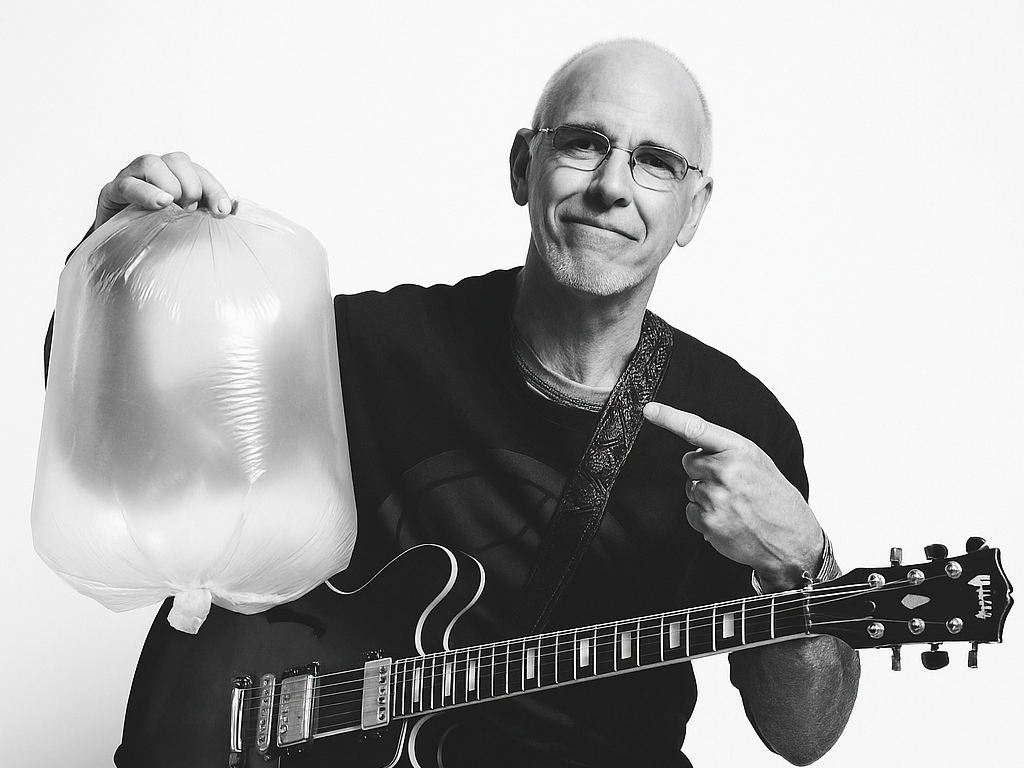
ときどき、空気に疲れてしまったり、反発したくなったり、空気のせいにしたくなることがあります。
けれど、その空気は、本当に誰かに押しつけられたものでしょうか。
もしかするとそれは、秩序や調和を守りたいという、私たち自身の心の声から生まれているのかもしれません。
だとしたら、空気を読むことは、必ずしも自分を失うことではないのだと思います。
では、空気とどう付き合えばいいのでしょう。
私の答えはシンプルです。
空気は読むものでも、従うものでもない。
ただ吸うものです。
もちろん、おいしい空気もあります。
でも、時には重たかったり、ちょっと臭かったりもします。
だけど、私たちは試験管の中で生きているわけではありません。
いろんな空気を感じるからこそ、呼吸もまた、生きているという実感になるものです。
時々ですが、空気を操作しようとする人が現れます。
でも心配はいりません。
しっかり吸って感じていれば、身体は違和感に気づけるものです。
人の価値観に合わない働きかけは、結局のところ誰にも届かず消えてゆきます。
ひとつだけ注意したいことがあるとすれば。
それは、その場の自由と平等が守られているかどうかかもしれません。
人は空気を吸えば、自然と息を吐きます。
そして、その吐いた息がまた、空気になっていきます。
空気は、私たちの呼吸のリレーのように循環します。
これが誰かの手で止められていたら、それはもう空気ではありません。
誰かの拘束であり、加害です。
そこにいる一人ひとりの自由な呼吸が平等に与えられているかどうか。
それが、価値観の隙間を支配されないようにするための視点だと思います。
一定の空気の中で自由に呼吸をすること。
それは、少し難しそうに聞こえるかもしれません。
たしかに、それにはちょっとした成熟が必要です。
たとえば、ミュージシャンがアドリブを奏でるときのように。
彼らはまるで自由に見えて、でも、実は鳴っているコードの中のスケールを丁寧に聴きながら、そこに自由な感度で即興を重ねています。
つまり、コードを聴いて、アドリブを弾く。
空気を吸って、息を吐くように。
上手い下手や、好みの問題は確かにあるでしょう。
しかし、そのセッションは、その参加者によって成立してゆくものです。
空気というコードの中でも、私たちは自由にメロディーを奏でられるものです。
空気は、吸うもの。そして息は、吐くもの。
呼吸をしっかり感じていれば、グルーヴは自然と生まれてくる。
これは間違えのないことだと思います。
たぶんですけどね。
関連ページ
👉 空気とは何か?
日本文化に深く根付いた「空気」という感覚。その起源と歴史的背景について、時代を追って紐解いています。
What Is Kuuki? 2
Note: This piece is an attempt to translate a deeply Japanese way of sensing the world—kuuki—into English. Some nuances may resist translation, but that resistance is part of the message.
Sometimes, we get tired of the air. We push back against it, or blame it for things. But is this air really something that was forced upon us? In many cultures, people sense atmosphere or vibes. But in Japan, kuuki goes one step further—it’s something you’re expected to read. Failing to do so can mean silent disapproval, or worse. That’s a heavy ask, isn’t it? Perhaps it’s a quiet voice from within—our own desire to protect harmony and keep things flowing smoothly. If so, then reading the air doesn’t mean losing yourself.
So, how should we relate to kuuki? My answer is simple: kuuki is not something to read or obey. Just breathe it in.
Of course, some air is delicious. But sometimes, it’s heavy. Or stinks a bit. Still, we’re not living in a sterile test tube. The variety is part of being alive.
Now and then, someone tries to manipulate the air. But don’t worry. If you breathe with care, your body can sense the dissonance. Any message that doesn’t match someone’s values simply fades away.
There’s just one thing to watch for: Are freedom and equality alive in that space?
When we breathe in, we naturally breathe out. That breath becomes part of the air again. Air is not static—it’s a cycle, a loop of human breath. If someone stops that loop, it’s no longer air. It’s a restriction. A form of harm.
So we ask: Can each person breathe freely, equally, here? That’s the key to protecting the spaces between values.
Breathing freely within shared air— it may sound hard. And yes, it takes some maturity. Like a musician playing an improvisation. It sounds free, but they’re always listening to the chord beneath.
They play in tune with it, yet add their own melody. That’s how breathing works too.
In any shared kuuki, we can still make our own sound. Air is to be breathed. Breath is to be released.
If we stay aware of that rhythm, a groove will start to form. I’m pretty sure about that. Probably.
Related Page
👉 What Is Kuuki?
Explore the historical roots of “kuuki”—Japan’s invisible social code—through six distinct eras, from ancient survival instincts to modern-day collective empathy.


コメント